Introduction
Australia, a land of diverse wild animals, is home to several fascinating animals, consisting of serpents that can inspire both admiration and anxiety. Amongst these snakes is the tiger serpent, recognized for its striking look and reputation as a poisonous predator. As a result, one concern regularly emerges: Are tiger snakes venomous? This write-up will explore the myths and realities bordering tiger serpents, their habitat, habits, medical effects of their attacks, and much more.
Are Tiger Snakes Venomous?
When it concerns the inquiry of whether tiger serpents are poisonous, the solution is a resounding yes. Tiger serpents (Notechis scutatus) are indeed poisonous and What to do if bitten by a snake ranking amongst the most hazardous snakes in Australia. Their poison consists of powerful neurotoxins that can result in paralysis and even fatality if not dealt with immediately.
While fatalities from tiger snake attacks have actually become less usual as a result of innovations in clinical therapy and antivenom schedule, this Necrosis Prevention does not decrease the demand for care when running into these reptiles. The potential impacts of a tiger serpent bite include serious discomfort at the site of the bite, swelling, nausea or vomiting, problem breathing, and neurological signs and symptoms such as weakness or paralysis.
Types of Tiger Snakes
In Australia, there are several recognized subspecies of tiger serpents:
- Eastern Tiger Snake (Notechis scutatus): Discovered primarily in southeastern Australia. Tasmanian Tiger Snake (Notechis scutatus): A subspecies located just in Tasmania. Black Tiger Snake: Understood for its darker coloration.
Each of these species has variations in dimension and actions however shares similar venom characteristics.

The Environment of Tiger Snakes
Where Do They Live?
Tiger serpents are adaptable creatures found throughout numerous environments throughout Australia. They normally populate coastal regions but can also be located in wetlands, swamps, waterfronts, and forests. Their choice for moisture-rich environments makes them proficient swimmers; therefore they grow near water bodies like lakes or marshes.
Geographical Distribution
- Southeastern Coast: Home to Eastern tiger snakes. Tasmania: Controlled by Tasmanian tiger snakes. Northern Regions: Where you might experience much less generally seen variants.
Habitat Preferences
Tiger snakes favor locations with bountiful cover where they can hide from predators while searching for target. They frequently hunt tiny creatures, frogs, birds, and also fish-- http://manuellfge710.fotosdefrases.com/baby-tiger-snakes-what-you-required-to-know-about-their-habits-and-environment making them functional seekers within their eco-friendly niche.
The Composition of a Tiger Snake
Physical Characteristics
Tiger snakes possess unique physical characteristics that distinguish them from other Australian reptiles:

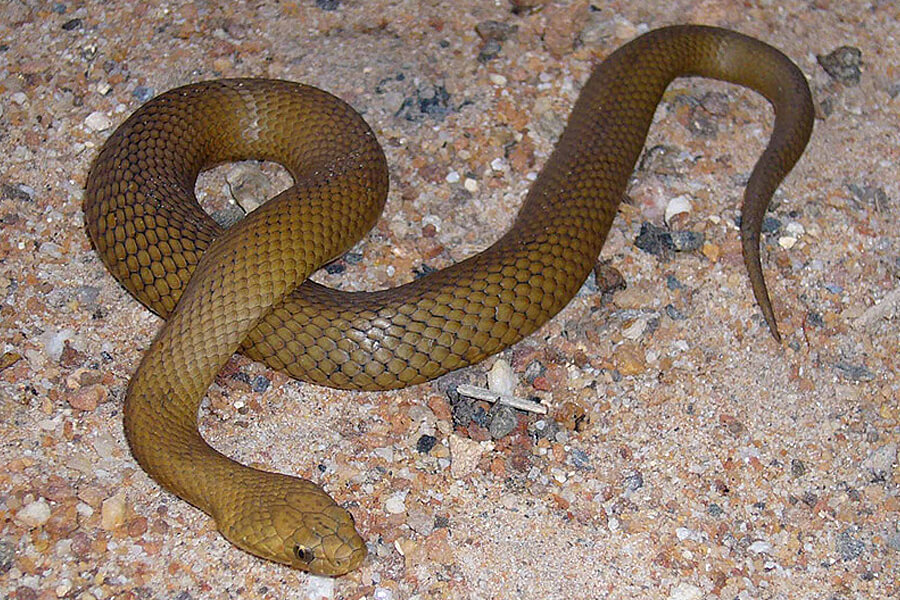
- Coloration: Usually banded with yellow or light red stripes on a dark background. Size: They can grow up to 2 meters long; however, average sizes vary between 1.2 to 1.5 meters.
The distinct coloration serves both as camouflage against predators and while stalking prey in their all-natural habitat.
Behavioral Traits
Understanding the behavioral patterns of tiger serpents is critical for those living within their geographical variety:
- Nocturnal Activity: They are mainly active in the evening but may likewise quest during the day. Defensive Behavior: When endangered, tiger snakes might hiss noisally or flatten their bodies-- a warning sign showing they really feel cornered.
Tiger Snake Bite Symptoms
If bitten by a tiger snake, individuals should expect certain signs and symptoms that show up not long after:
Severe localized pain Swelling around the bite area Nausea or vomiting Difficulty breathing Neurological symptoms such as muscular tissue weaknessIt's critical never ever to ignore these indications; prompt medical interest is important adhering to any type of serpent bite incident.
First Aid for Serpent Bites
Immediate Activities After a Bite
Knowing just how to react quickly can save lives when taking care of possible snake bites:
Stay calm and still-- activity enhances poison spread. Call emergency situation solutions immediately. Keep the affected limb debilitated below heart level. Avoid cutting or drawing out poison; this old wives' story might aggravate conditions. Remove limited clothes or precious jewelry near the bite site.First Aid Kit Essentials for Snake Bites
A well-stocked emergency treatment kit ought to consist of products especially valuable in treating snake bites:
|Product|Purpose|| --------------------------------|-----------------------------------------------|| Clean and sterile plasters|To cover wounds|| Antibacterial wipes|To cleanse around bite area|| Emergency call numbers|For fast gain access to during emergencies|| Compression bandage|To help immobilize impacted arm or leg|
Proper prep work can make all the difference when an emergency situation strikes.
Fact vs Misconception Concerning Tiger Snakes
Myth 1: All Snakes Are Aggressive
Contrary to common idea, not all serpent varieties display aggression towards people. Actually, numerous prefer to retreat than challenge us.
Myth 2: A Bite Constantly Brings About Death
While deadly attacks do take place-- many thanks largely to delayed healthcare-- the majority of bites are non-fatal if treated immediately with antivenom.
Myth 3: You Can Draw Out Venom
This commonly held idea is incorrect; attempting to draw out venom only boosts problems rather than relieving them!
FAQs
1. Are baby tiger snakes extra unsafe than adults?
Baby tiger snakes might have much less poison than adults yet often supply bites without hesitation because of being even more frightened.
2. The length of time does it consider signs and symptoms to appear after a bite?
Symptoms normally appear within mins yet can in some cases take hours depending on aspects like private health conditions.
3. What should I do if I see a tiger snake?
Maintain range! Stay clear of prompting it; most encounters end without case if you respect their space.
4. Exists an antivenom available for tiger snake bites?
Yes! Antivenom exists especially created for treating health problems brought on by tiger serpent bites-- it's essential to look for specialist clinical support immediately!
5. Can I maintain a tiger snake as a pet?
Keeping any type of wild snake types postures substantial threats due primarily to their breeding behaviors & & dietary needs-- it's ideal left in nature!
6. How widespread are snake attacks in Australia?
Australia sees thousands of snakebite instances yearly; however casualties have lowered significantly thanks mostly due enhanced understanding & & healthcare access!
Conclusion
In verdict, recognizing whether "Are Tiger Snakes Venomous?" brings significant effects for personal security when connecting with these remarkable reptiles native to Australia's diverse ecosystems can not be overstated!
Arming ourselves with understanding concerning these creatures-- from their environments and habits down via effective emergency treatment methods-- equips us towards more secure coexistence alongside wildlife while mitigating threats related to unexpected encounters!
By promoting education and learning regarding our environment's details-- not simply concentrating solely on anxiety-- we pave pathways towards far better admiration & & conservation efforts profiting both mankind & & nature alike!